
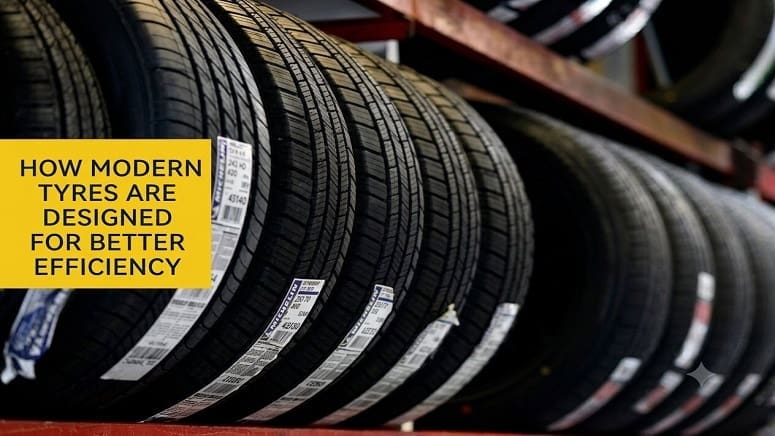
Tyre technology has advanced significantly over the past few decades, transforming the way vehicles perform on the road. Modern tyres are no longer just rubber components that support a vehicle’s weight; they are highly engineered products designed to improve fuel efficiency, safety, durability, and driving comfort.
At Onyx Tyres, understanding the latest tyre innovations helps drivers make informed decisions when choosing tyres that deliver better performance and long-term value. As automotive manufacturers continue to focus on efficiency and sustainability, tyre design plays an increasingly important role in achieving these goals.
The Evolution of Tyre Technology
Traditional tyre designs primarily focused on durability and basic road performance. While these factors remain important today, modern tyres are now developed using advanced engineering, sophisticated materials, and extensive testing processes.
Tyre manufacturers invest heavily in research and development to create products that can:
- Reduce fuel consumption
- Improve handling
- Enhance safety
- Increase tyre lifespan
- Lower environmental impact
As a result, today’s tyres are more efficient and capable than ever before.
Understanding Rolling Resistance
One of the biggest factors affecting tyre efficiency is rolling resistance. Rolling resistance refers to the amount of energy required for a tyre to roll along the road surface. When affordable tyres Brisbane have high rolling resistance, the engine must work harder to move the vehicle forward. This increases fuel consumption and operating costs.
Modern tyre manufacturers design tyres with lower rolling resistance by:
- Using advanced rubber compounds
- Optimising tread patterns
- Improving tyre construction
- Reducing overall tyre weight
These improvements help vehicles travel further using less fuel, making them more economical and environmentally friendly.
Advanced Rubber Compounds
The rubber used in modern tyres is far more sophisticated than in older designs. Manufacturers combine natural and synthetic materials with specialised additives to achieve specific performance characteristics.
Modern compounds are designed to:
- Minimise energy loss
- Improve grip
- Reduce heat generation
- Enhance durability
- Improve wet-weather performance
By reducing heat buildup and friction, advanced rubber compounds contribute significantly to improved tyre efficiency while maintaining excellent traction and safety.
Optimised Tread Patterns
The tread pattern is one of the most visible features of any tyre, but it also plays a crucial role in efficiency. Modern tread designs are carefully engineered to balance:
- Road grip
- Water evacuation
- Noise reduction
- Fuel efficiency
- Wear resistance
Manufacturers use computer simulations and real-world testing to create tread patterns that reduce rolling resistance while maintaining safe handling characteristics. Efficient tread designs help improve fuel economy without compromising vehicle performance.
Lightweight Construction
Vehicle manufacturers are constantly seeking ways to reduce weight and improve efficiency. Tyre manufacturers support this goal by developing lighter tyre constructions.
Modern tyres often incorporate:
- Advanced reinforcing materials
- Lightweight steel belts
- High-strength synthetic fibres
- Improved sidewall technology
Reducing tyre weight decreases the overall load placed on the vehicle, allowing the engine to operate more efficiently. Even small weight reductions can contribute to measurable improvements in fuel economy over time.
Improved Aerodynamic Performance
While tyres themselves do not directly create aerodynamic efficiency, their design can influence airflow around the vehicle.
Many modern tyre and wheel combinations are designed to minimise air resistance and reduce turbulence. Improved airflow helps reduce drag, allowing vehicles to move more efficiently through the air.
As automotive manufacturers focus on fuel economy and electric vehicle range, aerodynamic considerations have become increasingly important in tyre development.
Enhanced Durability and Longevity
Efficiency is not just about fuel savings. Tyres that last longer also contribute to overall cost efficiency. Modern tyre technology improves durability through:
- Stronger internal structures
- Better heat management
- Advanced tread compounds
- Enhanced wear resistance
Longer-lasting tyres reduce replacement frequency, helping drivers save money while reducing the environmental impact associated with tyre production and disposal. This combination of durability and performance provides excellent long-term value.
Better Wet Weather Performance
Modern tyres are designed to deliver efficiency without sacrificing safety. One area where technology has significantly improved is wet-weather performance. Innovative tread designs and advanced compounds help:
- Channel water away from the contact patch
- Reduce the risk of aquaplaning
- Improve braking performance
- Enhance steering control
Maintaining strong wet-weather grip ensures drivers can enjoy fuel-efficient tyres without compromising safety during challenging road conditions.
Tyres Designed for Electric Vehicles
The rise of electric vehicles has introduced new demands on tyre manufacturers. Electric vehicles are often heavier due to their battery systems and deliver instant torque during acceleration. To address these requirements, many manufacturers now develop EV-specific tyres that offer:
- Low rolling resistance
- Reduced road noise
- Increased load capacity
- Improved wear resistance
These specialised tyres help maximise battery range while maintaining the performance and comfort expected from modern electric vehicles. As EV adoption grows, tyre technology will continue evolving to meet new efficiency challenges.
Noise Reduction Technology
Driving comfort is another important aspect of tyre efficiency. Excessive road noise can affect the overall driving experience, particularly during long journeys. Many modern tyres incorporate features designed to minimise noise generation, including:
- Special tread block arrangements
- Noise-absorbing materials
- Optimised groove designs
- Advanced sidewall construction
Reducing tyre noise contributes to a quieter and more comfortable ride while supporting overall vehicle refinement.
Smart Tyre Technology
One of the most exciting developments in the tyre industry is the introduction of smart tyre technology. Some modern tyres now work alongside vehicle monitoring systems to provide real-time information about:
- Tyre pressure
- Temperature
- Wear levels
- Performance conditions
These systems help drivers maintain optimal tyre performance and improve efficiency by identifying issues before they affect fuel economy or safety. As connected vehicle technology advances, smart tyres are expected to become increasingly common.
Environmental Benefits of Efficient Tyres
Modern tyre design also contributes to environmental sustainability.
Efficient tyres help reduce:
- Fuel consumption
- Carbon emissions
- Resource usage
- Manufacturing waste
Many manufacturers are also exploring environmentally friendly materials and sustainable production methods to further reduce the environmental impact of tyre manufacturing.
These efforts support broader automotive industry goals related to sustainability and resource conservation.
Choosing the Right Tyres for Efficiency
While modern tyres offer numerous efficiency benefits, selecting the right tyre remains important.
Drivers should consider:
- Vehicle type
- Driving habits
- Road conditions
- Fuel economy goals
- Climate requirements
Professional tyre specialists can help identify products that balance efficiency, safety, durability, and performance according to individual driving needs.
Conclusion
Modern tyres are the result of decades of technological innovation and engineering advancement. Through low rolling resistance designs, advanced rubber compounds, lightweight construction, improved tread patterns, and smart technology, today’s tyres deliver greater efficiency than ever before. These improvements help reduce fuel consumption, enhance vehicle performance, improve safety, and support environmental sustainability. As automotive technology continues to evolve, modern tyres will remain a critical factor in helping drivers achieve better efficiency, lower operating costs, and a more enjoyable driving experience.